



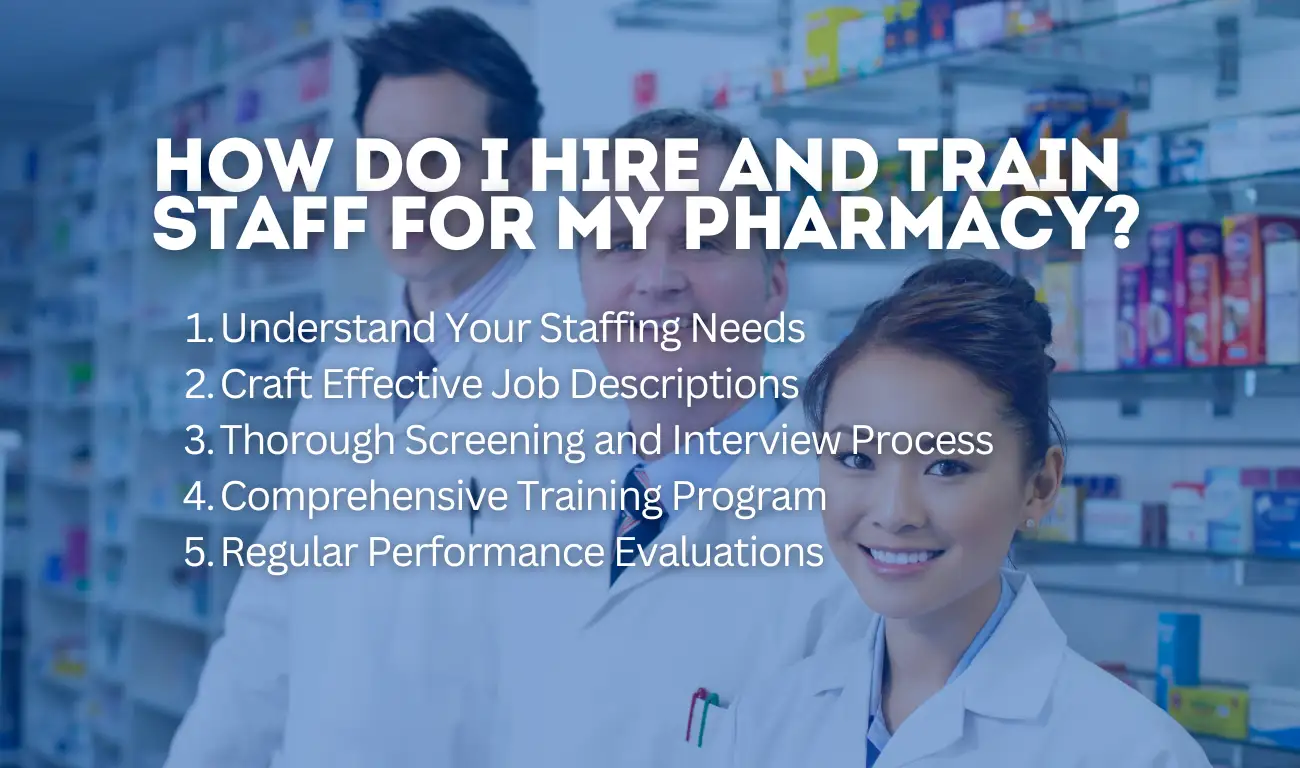
Hiring the right staff for your pharmacy is crucial to its success. Your employees aren’t just part of your team—they’re the face of your pharmacy to your customers. Finding and training staff who are knowledgeable, reliable, and customer-focused can make all the difference in creating a positive experience for your patients. In this article, we’ll walk you through the essential steps for hiring and training the best staff for your pharmacy.
Understanding Your Staffing Needs
Before you start the hiring process, it’s important to clearly understand your pharmacy’s staffing needs. Consider the size of your pharmacy, the number of customers you serve daily, and the range of services you offer. This will help you determine the number and types of staff you need, whether it’s pharmacists, pharmacy technicians, or support staff. Also, think about whether you need full-time or part-time employees, as this will influence your recruitment strategy.
Crafting the Perfect Job Description
A well-crafted job description is key to attracting the right candidates. Start by outlining the specific responsibilities of the role, the qualifications required, and any preferred experience. Make sure to highlight any pharmacy-specific duties, such as managing prescriptions or providing patient consultations. Your job description should also reflect the culture and values of your pharmacy to attract candidates who are a good fit.
Where to Find Qualified Candidates
Finding qualified candidates can be a challenge, but there are several strategies you can use. Job boards and online platforms like Indeed, Glassdoor, and LinkedIn are great places to start. Additionally, consider reaching out to local pharmacy schools or professional organizations to connect with recent graduates or experienced professionals. Don’t forget the power of social media; platforms like Facebook and Twitter can be effective for spreading the word about job openings.
Screening and Interviewing Candidates
Once you have a pool of candidates, the screening process begins. Start by reviewing resumes and applications to shortlist those who meet your criteria. A phone screening can be a useful next step to gauge a candidate’s communication skills and interest in the role. For in-person interviews, prepare a set of questions that assess both technical knowledge and soft skills like customer service and teamwork.
Evaluating Candidates
Evaluating candidates is about more than just checking their qualifications. You’ll want to assess their technical knowledge, such as their understanding of pharmacy practices and medication management. Equally important are their communication skills and ability to interact with customers. Don’t skip checking references and conducting background checks to ensure you’re hiring someone trustworthy and reliable.
Making the Job Offer
Once you’ve found the right candidate, it’s time to make the job offer. Be prepared to negotiate salary and benefits, and ensure the offer is presented professionally. Clearly communicate the expectations of the role and the support they’ll receive during the onboarding process. This is also a good time to discuss any probationary periods or performance expectations.
Onboarding New Employees
A strong onboarding process is essential for integrating new hires into your pharmacy. Create a comprehensive onboarding plan that includes an introduction to the pharmacy environment, an overview of daily operations, and a review of key policies and procedures. Make sure your new employees understand the importance of compliance with pharmacy regulations and company policies.
Developing a Training Program
Training is an ongoing process that helps your staff stay sharp and up-to-date with industry changes. Your training program should cover all the key areas necessary for their role, including technical skills, customer service, and compliance. Consider using a mix of e-learning modules and in-person training to accommodate different learning styles.
Training on Pharmacy Software and Technology
In today’s digital age, proficiency with pharmacy software is a must. Ensure your staff are comfortable using pharmacy management systems, prescription processing software, and inventory management tools. Offer hands-on training sessions and provide resources for ongoing learning to help them stay up-to-date with the latest technology.
Customer Service Training
Customer service is at the heart of every successful pharmacy. Train your staff on how to interact with customers in a friendly, professional manner. Role-playing scenarios can be particularly effective in preparing them for real-world situations, including handling difficult customers or complex questions about medications.
Compliance and Regulatory Training
Pharmacies operate under strict regulations, so it’s vital that your staff are well-versed in compliance. Provide training on the laws and regulations that govern your pharmacy, including HIPAA, patient privacy, and the proper handling of controlled substances. Regularly update this training to reflect any changes in the legal landscape.
Continuing Education and Professional Development
Encourage your staff to pursue continuing education opportunities to stay current in their field. Provide access to resources like online courses, webinars, and professional conferences. Set goals for their professional development and support them in achieving these milestones.
Monitoring and Evaluating Employee Performance
Regular performance evaluations are crucial for ensuring your staff are meeting expectations. Schedule routine reviews to provide feedback and discuss areas for improvement. Recognize and reward top performers to keep morale high and encourage a culture of excellence within your pharmacy.
Conclusion
Hiring and training the right staff for your pharmacy is an investment in your business’s future. With the right approach, you can build a team that’s not only skilled and knowledgeable but also dedicated to providing exceptional customer service. By following these steps, you’ll create a solid foundation for a successful and thriving pharmacy.
FAQs
How Long Does It Take to Train a New Pharmacy Employee?
Training times can vary depending on the role and the individual, but typically it takes about 2-4 weeks to fully train a new pharmacy employee.
What Are the Most Important Skills for Pharmacy Staff?
Key skills include attention to detail, customer service, communication, and a strong understanding of pharmacy regulations and medication management.
How Can I Ensure My Staff Stays Up-to-Date with Industry Changes?
Encourage ongoing education through courses, workshops, and industry conferences. Regularly update your training programs to reflect new developments.
What Should I Do If an Employee Isn’t Meeting Expectations?
Address the issue promptly with a performance review. Provide constructive feedback and offer additional training or resources if necessary.
How Do I Handle High Turnover in My Pharmacy?
High turnover can be addressed by improving your hiring process, offering competitive compensation, and fostering a positive work environment.


Leave a Reply