




Retail pharmacy plays a critical role in healthcare by providing accessible, essential services to the public. Whether you need prescription medication, over-the-counter remedies, or advice on how to manage your health, retail pharmacies are often the first point of contact. But how exactly does a retail pharmacy operate, and what makes it such an integral part of the healthcare system? Let’s explore.
What is Retail Pharmacy?
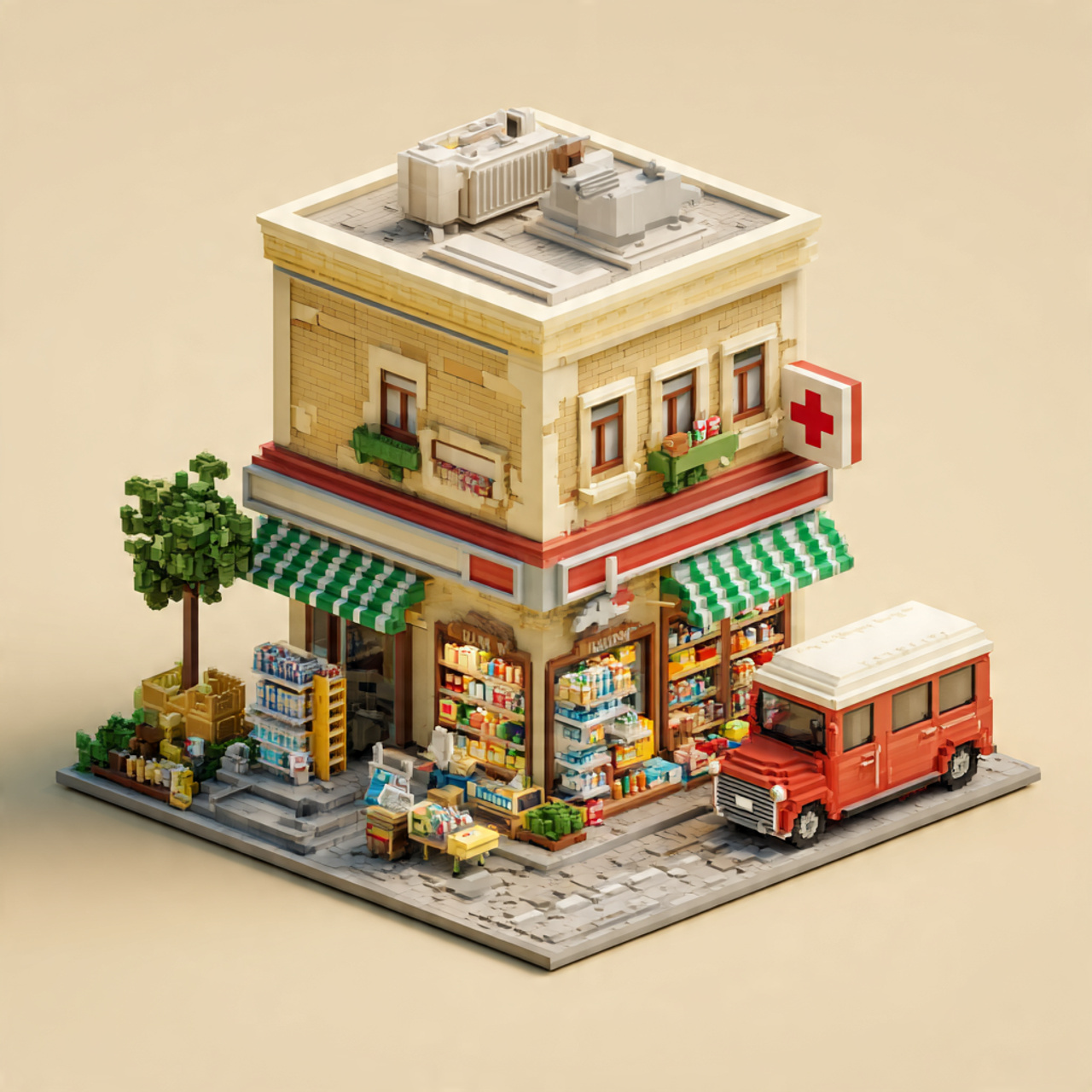
Retail pharmacy is a type of pharmacy that serves the general public by selling both prescription and over-the-counter medications. It differs from hospital pharmacies or specialized pharmacies in that it deals directly with everyday customers rather than healthcare professionals or institutions.
While hospital pharmacies primarily cater to patients admitted within healthcare facilities, retail pharmacies serve anyone walking in with a prescription or seeking healthcare products.
The Role of Retail Pharmacies
Retail pharmacies go beyond merely dispensing medication. They offer a wide range of services that make healthcare more accessible:
- Dispensing Medication: Retail pharmacies fill prescriptions and offer refills for patients.
- Offering OTC Products: They provide over-the-counter products like pain relievers, cold medications, and vitamins.
- Healthcare Advice: Pharmacists often give recommendations for minor ailments and suggest when it’s necessary to consult a doctor.
Types of Retail Pharmacies
Retail pharmacies come in various forms, each catering to different types of customers:
- Independent Pharmacies: These are locally owned pharmacies that often provide more personalized services.
- Chain Pharmacies: Large brands like CVS or Walgreens that are widespread and offer uniform services across locations.
- Online Retail Pharmacies: With the rise of e-commerce, many pharmacies now operate online, providing home delivery services for medications.
How Retail Pharmacies Operate
Retail pharmacies follow a structured workflow to ensure safety and efficiency:
- Medication Dispensing: Once a prescription is received, pharmacists verify the details, ensuring the right medication and dosage are provided.
- Pharmacist’s Role: Pharmacists are responsible for checking drug interactions, providing advice, and ensuring the patient understands how to use the medication.
- Inventory Management: Retail pharmacies manage their stock to keep essential medicines readily available for their customers.
Prescription Medications in Retail Pharmacies
When it comes to prescription medications, accuracy and timeliness are vital. The process starts with the patient handing over a prescription, which the pharmacist checks for dosage, possible interactions, and validity. The pharmacist then dispenses the medication while ensuring the patient understands how to take it.
Over-the-Counter (OTC) Medications
Retail pharmacies also carry a wide variety of OTC products. These range from common pain relievers like ibuprofen to skincare products, vitamins, and allergy medications. Many patients rely on pharmacists’ advice to choose the right OTC product for their needs.
Pharmacist-Patient Interaction
One of the cornerstones of a retail pharmacy is the interaction between pharmacists and patients. Pharmacists help ensure that patients are fully informed about their medication, potential side effects, and any possible drug interactions. In many cases, they also advise on minor ailments or suggest lifestyle changes.
Insurance and Retail Pharmacy
In most cases, insurance plays a significant role in retail pharmacy transactions. Pharmacists work with insurance companies and Pharmacy Benefit Managers (PBMs) to determine the cost of medication. Patients can often receive medications at a lower cost through their insurance plans, but sometimes insurance approvals can lead to delays in receiving medications.
Challenges Faced by Retail Pharmacies
The retail pharmacy industry faces several challenges, including:
- Online Competition: Many people now turn to online pharmacies for convenience and price comparisons.
- Regulation Changes: Constant updates to healthcare laws and insurance regulations can complicate the dispensing process.
- Staffing Shortages: Finding qualified pharmacy technicians and pharmacists is increasingly difficult in certain regions.
The Role of Technology in Retail Pharmacies
Technology has revolutionized retail pharmacies in several ways:
- Electronic Prescriptions: Doctors can send prescriptions directly to pharmacies, streamlining the process.
- Inventory Software: Automated systems help pharmacies keep track of medications to ensure they are always in stock.
- Mobile Apps: Many pharmacies offer apps where customers can manage prescriptions, order refills, and even schedule consultations.
The Future of Retail Pharmacies
With the advancement of digital health tools, retail pharmacies are also evolving. Many now offer clinical services such as vaccinations, health screenings, and medication therapy management. The growth of online pharmacies is also reshaping the landscape, allowing customers to receive medications directly at their doorsteps.
How to Choose the Right Retail Pharmacy
Choosing the right pharmacy can depend on various factors, including location, customer service, and available services. It’s essential to find a pharmacy where you feel comfortable and trust the advice of the pharmacists.
Benefits of Retail Pharmacies to Communities
Retail pharmacies provide more than just medication. They become a trusted part of the community, offering healthcare guidance and becoming accessible health hubs for local residents. The personalized service and support pharmacists offer strengthen their relationship with their customers.
Conclusion
Retail pharmacies are an indispensable part of the healthcare system, offering easy access to medications and healthcare products. They not only provide essential medications but also help improve public health through advice and guidance. As technology advances, retail pharmacies will continue to play a significant role in shaping the future of healthcare.
FAQs
What is the difference between retail and hospital pharmacies?
Retail pharmacies serve the general public and are accessible to anyone with or without a prescription, while hospital pharmacies focus on patients admitted to healthcare facilities.
Can I get a prescription without visiting a doctor at a retail pharmacy?
No, you need a valid prescription from a licensed healthcare provider. However, some retail pharmacies offer telemedicine services.
How can I transfer my prescriptions between retail pharmacies?
You can request a transfer by contacting your current pharmacy or the new pharmacy, and they will handle the rest.
Do retail pharmacies offer vaccinations?
Yes, many retail pharmacies offer vaccinations for flu, COVID-19, and other diseases.
What should I look for when selecting a retail pharmacy?
Consider factors like location, customer service, pharmacist availability, and the range of services offered.


Leave a Reply